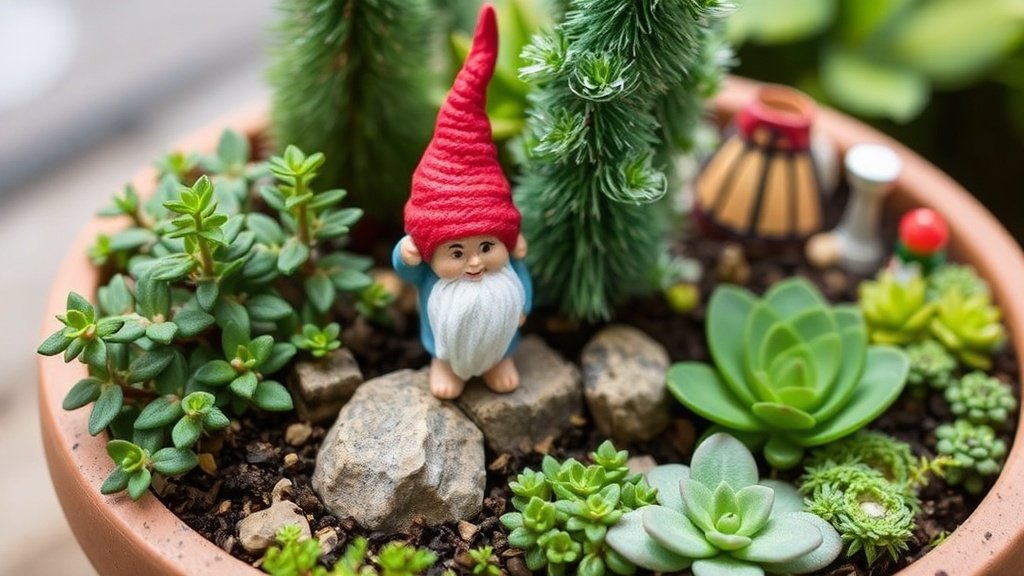
Introduction to Miniature Gardening
Creating a miniature garden is a wonderful way to bring a touch of living magic into your home or outdoor living space. These tiny, self-contained landscapes allow you to channel your inner landscape designer on a micro scale. Whether you have a sprawling backyard or a sunny apartment balcony, building a miniature garden lets you cultivate creativity using small plants, natural elements, and whimsical decorative details that tell a story.
Choosing the Right Container
The foundation of any great miniature garden is the container. Almost anything that holds soil and allows for proper drainage can be transformed into a tiny landscape. Traditional terracotta pots, shallow bowls, wooden crates, and even vintage wheelbarrows or galvanized tubs make fantastic vessels.
Drainage and Soil Basics
No matter which container you choose, adequate drainage is essential to keep your plants healthy. Ensure there are drainage holes at the bottom. If you are using a unique container without holes, create a thick layer of gravel or expanded clay at the base to catch excess water. Fill the container with a high-quality, fast-draining potting mix tailored for container gardening.
Selecting Plants for Scale and Texture
The secret to a convincing miniature garden lies in plant selection. You want to choose slow-growing, compact plants that naturally stay small or tolerate heavy pruning. Mixing different textures and shades of green creates visual depth.
Best Plants to Use
- Creeping Thyme: Offers a lovely fragrance and forms a lush, carpet-like ground cover.
- Dwarf Alberta Spruce: Acts as a miniature evergreen tree, providing height and structure.
- Baby’s Tears: Features tiny, delicate leaves that spill gracefully over container edges.
- Succulents: Varieties like Echeveria and Sedum are hardy, low-maintenance, and retain water well.
Designing the Layout and Hardscape
Before planting, map out your design. Think about creating pathways, patios, and focal points just as you would in a full-sized landscape. Use fine gravel, flat stones, or crushed bark to create winding paths that draw the eye through the miniature landscape. You can also stack small flat stones to build miniature retaining walls or raised beds.
Adding Decorative Details and Accents
This is where your miniature garden truly comes to life. Decorative details add personality, scale, and a sense of wonder to the arrangement. Place miniature fences around garden plots, set out tiny benches beneath leafy canopies, or install a miniature birdbath.
Placing charming figurines, such as classic garden gnomes, among the foliage adds an instant touch of whimsy and narrative charm. Keep the scale of your accessories in mind so they look naturally integrated with your plants rather than overpowering them.
Planting and Care Maintenance
Once your hardscape and accessories are mapped out, gently plant your greenery. Start with the larger plants or structural trees, then fill in the gaps with ground covers and smaller accents. Press the soil gently around the roots and water thoroughly to settle the plant roots.
Ongoing Care Tips
Care for your miniature garden just as you would standard potted plants. Place the container in a spot that matches the light requirements of your chosen plants—most miniature setups prefer bright, indirect light or partial sun. Check the soil moisture regularly by feeling the top inch; water only when the soil feels dry to the touch. Prune stray stems occasionally to maintain the scale and tidy appearance of your enchanting little world.