Garden gnomes bring an instant touch of whimsy, personality, and charm to any outdoor space. While these iconic figures have a long history of guarding yards, finding the right spot for them can elevate your entire landscaping design. Moving beyond random placement, strategically integrating gnomes into specific zones of your garden creates delightful visual surprises.
Whether you are styling a compact urban patio or a sprawling suburban yard, thoughtful placement makes all the difference. Here are practical and creative garden gnome placement ideas for raised beds, borders, and path edges to help your outdoor decor truly shine.
1. Raised Beds: Creating Vertical Interest and Focal Points
Raised garden beds are fantastic for growing vegetables, herbs, and flowers, but they can sometimes look overly structured or utilitarian. Introducing a garden gnome softens the straight lines and adds a playful focal point at eye level.
Peeking Over the Edge
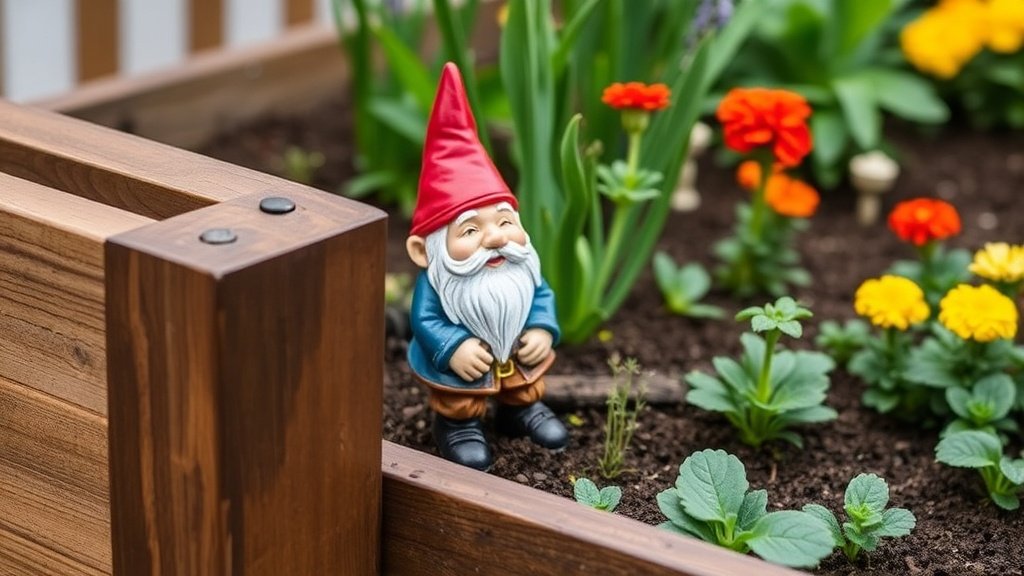
Position a small or medium-sized gnome right at the corner of a wooden or metal raised bed, making it look as though the character is peering out over the edge to watch the surrounding landscape. This placement works exceptionally well in herb gardens, where the low-growing foliage won’t completely obscure the figure.
Nestled Among Root Veggies and Blooms
For deeper raised beds, place a seated gnome directly on the soil surface nestled between leafy greens, cascading strawberries, or vibrant marigolds. It creates a charming storytelling element, making your raised bed look like a miniature enchanted forest.
2. Garden Borders: Guiding the Eye Through the Landscape
Flower borders and planting beds define the shape of your yard. Placing gnomes within these beds helps draw the eye along the contours of your garden design.
The Layering Technique
Avoid hiding your gnomes completely behind tall perennials. Instead, use a layering approach. Place shorter ground-cover plants and creeping thyme at the very front of the border, and tuck your gnome slightly behind them. This creates depth and ensures the figure remains visible while still feeling naturally integrated into the planting scheme.
Guarding Favorite Flora
Give your gnome a specific job by placing it next to your favorite prize-winning rosebush, hydrangea, or hosta patch. It creates a humorous narrative that the gnome is personally tending to or guarding that particular plant from garden pests.
3. Path Edges: Welcoming Walkways and Secret Discoveries
Garden paths are all about journeys and transitions. Placing gnomes along walkways encourages visitors to slow down and notice the smaller details of your landscape.
The Greeter at the Crossroads
If your garden path forks or leads to a patio seating area, place a cheerful gnome right at the intersection. It acts as a friendly guide, welcoming guests deeper into your outdoor sanctuary.
The Hidden Discovery
For a more magical touch, tuck a gnome slightly further back along a winding path edge, perhaps half-hidden behind an ornamental grass or a large garden stone. Discovering a gnome unexpectedly as they walk along the path delights both children and adults alike.
Tips for Styling Gnomes in Your Garden
- Consider Scale: Match the size of your gnome to its surroundings. Tiny gnomes get lost in massive borders, while oversized gnomes overwhelm compact raised beds.
- Group for Impact: Instead of scattering individual gnomes too far apart, create small, cohesive groups of two or three to tell a visual story.
- Keep Sightlines Clear: Periodically check surrounding plant growth to ensure your favorite gnomes aren’t completely swallowed up by aggressive summer foliage.
By thoughtfully placing your garden gnomes in raised beds, along borders, and beside pathways, you can turn a standard yard into a whimsical retreat full of personality and charm.