Why Your Yard Needs a Pollinator-Friendly Makeover
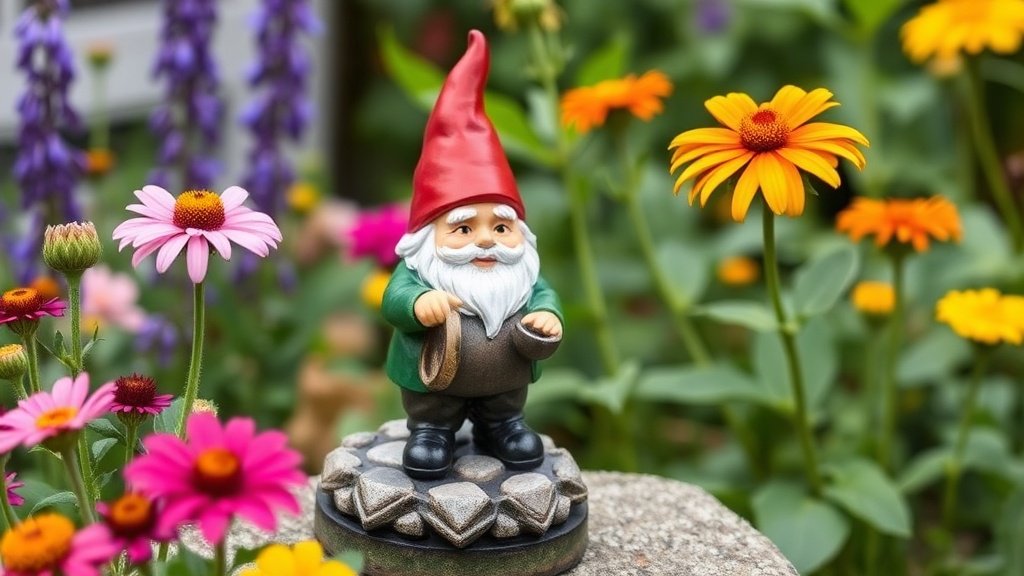
Creating a pollinator-friendly garden is one of the most rewarding ways to elevate your outdoor space. Bees, butterflies, hummingbirds, and beneficial insects are essential for a healthy ecosystem, and they bring unmatched life, color, and movement to your landscape. Best of all, designing a welcoming yard for these crucial creatures doesn’t require a complete landscape overhaul. A few intentional changes can turn even the smallest patio or suburban lawn into a thriving sanctuary, complementing fun additions like a Garden Gnome Watering Flower Resin Statue Ornament.
Choose Native Plants for Maximum Impact
The foundation of any successful pollinator garden is plant selection. Native plants have co-evolved with local pollinators, making them the most reliable source of nectar and pollen. Unlike heavily cultivated ornamental hybrids, native species offer the rich, accessible nutrients that local bees and butterflies need to thrive.
Layer Your Planting Strategy
To keep pollinators visiting your yard from early spring through late autumn, aim for a continuous succession of blooms. Mix perennials, annuals, shrubs, and ornamental grasses. Plant in large drifts or color blocks rather than single, scattered stems. Pollinators navigate visually, and large patches of color make it much easier for them to spot their next meal. If you are working with limited square footage, check out these Small Garden Ideas for Patios, Balconies and Compact Outdoor Spaces to maximize your layout.
Provide Essential Water Sources
Pollinators work hard all day and need fresh water to stay hydrated. However, traditional birdbaths can be too deep and dangerous for visiting bees and butterflies.
How to Build a Safe Bee Bath
Creating a safe watering station takes just a few minutes:
- Take a shallow dish, saucer, or birdbath.
- Fill it with clean pebbles, flat stones, or sea glass so that parts of the rocks poke safely above the water line.
- Add fresh water, keeping the level just below the top of the stones.
- Place the station in a quiet, partly shaded spot near your flower beds.
This setup allows bees and butterflies to land securely on the stones and drink safely without the risk of drowning.
Create Safe Habitats and Nesting Spots
Pollinators need more than just food and water; they also need safe places to rest, hide, and raise their young. Modern landscaping often removes these natural features, but you can easily reintroduce them alongside charming yard accents inspired by Whimsical Garden Ideas: How to Decorate a Backyard with Garden Gnomes.
Embrace a Little Natural Messiness
Not all bees live in hives; roughly 70% of native bee species are ground-nesting insects. Leave a small, undisturbed patch of bare soil in a sunny corner of your yard for them to burrow safely. For stem-nesting bees, leave hollow plant stalks standing through the winter instead of cutting your garden down completely in the fall. You can also incorporate brush piles or small logs in out-of-the-way garden corners to provide shelter for beneficial insects and visiting wildlife.
Ditch the Chemicals for Good
Synthetic pesticides, herbicides, and chemical fertilizers can cause immense harm to pollinators. Even systemic insecticides absorbed by the plant can make their way into pollen and nectar, poisoning the very creatures you want to invite.
Instead, practice organic garden care. Encourage beneficial predatory insects like ladybugs and lacewings to manage pests naturally. Hand-pull weeds, use physical barriers like row covers, and rely on companion planting to keep your garden robust and balanced.
Bring Life and Color to Your Outdoor Space
Designing a welcoming yard for pollinators transforms your entire outdoor experience. By choosing native plants, offering safe water sources, protecting natural habitats, and avoiding chemicals, you build a vibrant ecosystem right outside your door. Start small with a single container garden or a dedicated flower bed, and enjoy watching your yard come alive with buzzing activity all season long.